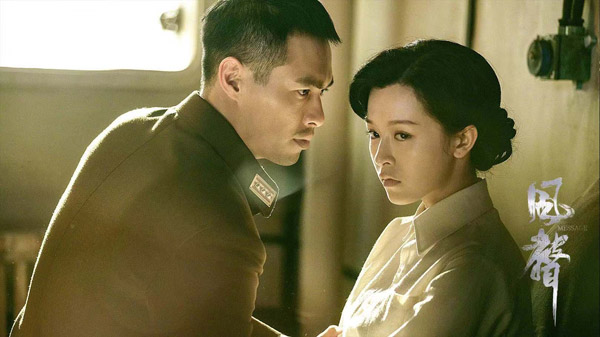
The Message
Overview
The Message is a thriller set during the 1940s in China and is based on a novel by the acclaimed author Mai Jia. The story is centered around the intense and secretive battlefield of the War of Resistance Against Japanese Aggression (1931-45), focusing on intelligence operatives from Japan and its puppet government in China as they relentlessly pursue a Communist secret agent, code-named Lao Gui, or "old ghost". The narrative unfolds with a gripping sequence of espionage, skillful evasion, and the desperate efforts of undercover heroes to maintain their communication network.
History and Adaptations
Originally published in 2007 as a series in the magazine People's Literature, the novel The Message reached a broader audience with its 2009 film adaptation, which was well-received and starred prominent actors such as Li Bingbing, Zhou Xun, and Zhang Hanyu. The success of the film led to a TV adaptation in 2011. The story's compelling mix of suspense and historical intrigue has allowed it to remain a popular subject for adaptation.
The 2019 TV Series
The Message was announced to be serialized on the small screen, with postproduction nearly completed and a release set for 2019. This new adaptation was entirely produced by Shanghai-based Tencent Penguin Pictures, an affiliate of Tencent Holdings Ltd. It premiered on v.qq.com, Tencent's streaming platform. The series director, Li Yunliang, aimed to bring a fresh perspective to the well-known story by focusing on a "zero wasting scenario", featuring only seven main roles and minimizing subsidiary plots. The setting is concentrated in a ship and villa, maintaining a tense, psychological atmosphere that parallels themes seen in works by Agatha Christie.
Literary and Cultural Impact
Mai Jia's work, including The Message, has captivated both domestic and international audiences. His novels, translated into numerous languages, combine intricate plots with deep reflections on human nature and identity. The Message in particular has piqued interest for its encapsulation of wartime espionage woven with the universal themes of loyalty, sacrifice, and the struggle for liberation. It provides a unique lens on Chinese history and culture through the suspenseful narratives of spy fiction.
Production Details
Directed by Li Yunliang, the TV series adaptation of The Message intended to revolutionize the way thrillers are perceived in Chinese media. By focusing on the psychological warfare aspect and reducing graphic content like torture scenes, the production team aimed to enhance the narrative's cerebral appeal. The series sought to maintain engagement through sustained tension and the intellectual challenge of unraveling the mystery of Lao Gui's identity, even for audiences already familiar with the plot. The director expressed a strong desire to align the show with the growing popularity of Chinese spy-themed narratives, which reflect broader sociocultural themes and resonate with contemporary viewers.
Reception and Criticism
Upon release, the series generated mixed opinions among critics. Zhao Tong, from the China Television Artists Association, praised the show for its atmospheric approach, likening it to British and Japanese literary classics. However, others like Qin Zhengui, from China Central Television, expressed concerns about whether the audience would embrace the series' intense rhythm. Li Zhun, honorary president of the China Literature and Art Critics Association, voiced apprehensions about the potential for the psychological elements to overshadow the historical context, which is vital for educating younger generations on the sacrifices made during China's path to revolution.
International Reception
Mai Jia's novels have gained significant international traction, with The Message capturing the attention of foreign publishers interested in its adaptation rights. The novel's appeal lies in its intricate narrative and puzzle-like structure, which invites readers to engage in the mystery-solving process. This has led to various translation and publication deals in multiple languages, further cementing Mai Jia's status as an influential figure in global literature. His works, including The Message, are celebrated for their ability to blend familiar spy genre elements with distinctly Chinese cultural narratives, offering a fresh perspective on historical and political themes. Article reference1. A new TV series seeks to deliver war story in a different way. chinadaily.com.cn. 2018Photo Gallery(4 pictures)CategoriesLiteratureTagFilm and TVModern and Contemporary LiteratureChinese Modern LiteratureRelatedAncient Shu CultureMai JiaSpring Festival CoupletsCall Me By Fire (TV Show)Catalogue1. Overview2. History and Adaptations3. The 2019 TV Series4. Literary and Cultural Impact5. Production Details6. Reception and Criticism7. International Reception- - - []








